I could see fine. That was the answer to every school teachers’ question at age 11. As long as they didn’t mind my sitting in the front row, I could see the board fine if I just squinted.
Mom took me to the eye doctor.

My vision wasn’t terrible. Yet. More inconvenient than anything else at that point. I didn’t really mind though. I had always wanted glasses! They were an accessory, a toy, a fashion statement (thought the 11-year-old who wore the same jeans and monochromatic t-shirts daily). We took our time picking them out. It was a bit challenging to try on all the frames on display since I couldn’t see myself too well in the mirrors. This was before camera capabilities on cell phones.
What I remember most though was leaving in my first pair of prescription glasses. Inside I couldn’t stop grinning, spinning around and around, reading everything on the walls that had been a blur for who knows how long. But outside… I took a few steps, looked up, and stopped. “Mom,” I said in wonder, pointing up, “the trees have individual leaves.” They looked completely different. I couldn’t stop staring.
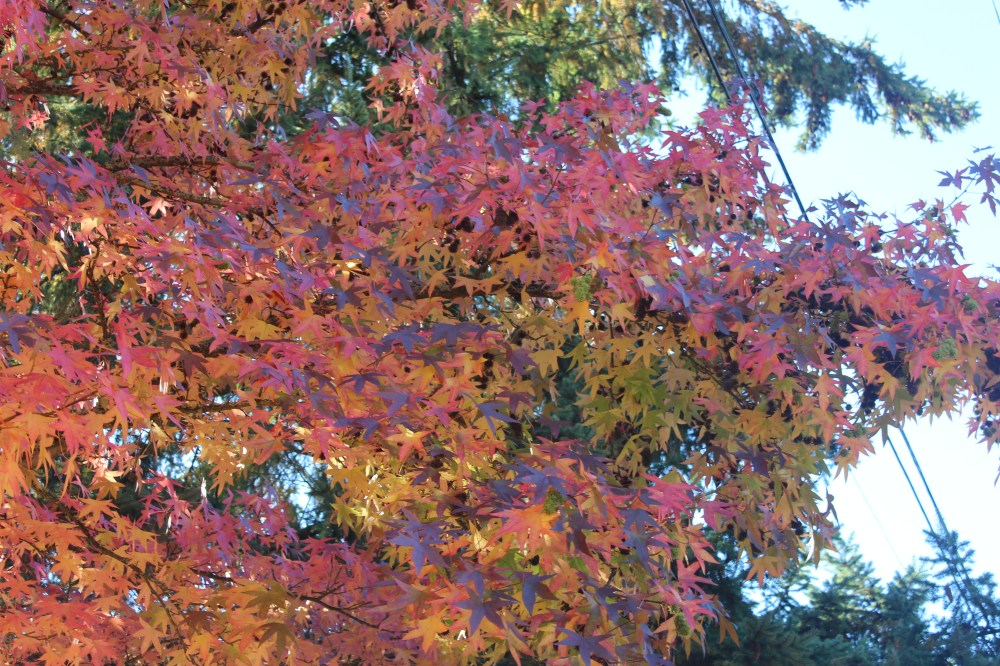
My eye sight decreased at a fairly impressive rate. With the genes of three aunts who were legally blind without their glasses, I went back to the ophthalmologist annually for the next seven years – always leaving with a stronger prescription than before. And every time, what caught my attention the most was the leaves.
At 18, my eye sight essentially plateaued, requiring only minimal adjustments every couple of years. I have yet to catch up to my aunts and, at this point, it looks as though I’m not likely to.

I lived in the South for seven years. The North had never suited me. Yes, it held my childhood memories and I would always defend my hometown relentlessly, but I just didn’t want to live there. The Pacific Northwest is beautiful and unique; humans seem to grow in tandem with the Earth there. But it’s also wet and not warm enough and people get uncomfortable when you smile at them in the street.
I knew I wanted to move south. What I didn’t know was just how well I would fit in. It was the first time people not only smiled back at me on the streets, but often beat me to the punch. City-wide, cold was below 60 degrees. I found that the rushed sense of urgency I’d been trained to accept in public spaces up north, like in line at the grocery store, didn’t exist down south. I relaxed. I began to function at the pace I had always preferred and found myself at the same pace as the rest of the city.

Other people complained about the pace, the humidity, the lack of seasons. Not me. The humidity felt like the air was hugging me; it comforted me. And the seasons? I never felt all that attached to them anyway. I didn’t miss snow or fall colors or the varied outfits that came with varied temperatures. For seven years, I listened to friends and strangers complain about the lack of change and not once did I agree with it. When you live in a city with your ideal weather, you don’t mind it staying like that 9 months out of the year. Or at least I didn’t.
When it came to fall colors, this phenomenon that people particularly from the northeast would just go on and on about ad nauseam, it got to the point that I began to wonder: am I missing something? In hindsight, with my 18 years in the Evergreen state followed by seven years of palm trees, the answer is yes, yes I was missing something. But that’s in retrospect. At the time, I hadn’t quite put that together.

The decision to leave the place I had grown quickly to call home was made with a heavy heart. The decision to return to the Northwest was made with excitement, despite the lack of hospitality, the weather, and the pace.
Every place in the world, like every person, is unique. Each has something you can’t find anywhere else. I decided that perspective could change everything: perhaps I had left home, but I was going to find every single, unique thing this city had to offer. I was going to find what I knew I’d love and focus on that instead of all the things I was missing.

It wasn’t as difficult to achieve as I originally anticipated. The Pacific Northwest, as it turns out, is much more environmentally conscious than the South. That was a relief. I had pretty much met my limit of Styrofoam and no recycling. The North was colder and drier, but there were stunning mountains in every direction. The seafood was comparable and it was a lot easier in the North to find food that was not deep-fried.

My timing for moving back was unintentionally excellent. I returned during the summer, so I was eased back into the cold slowly.

Then as the air turned crisp three months too soon, I began to notice something I had never before noticed in a city I had inhabited for 70% of my life: not all the trees were staying ever green.
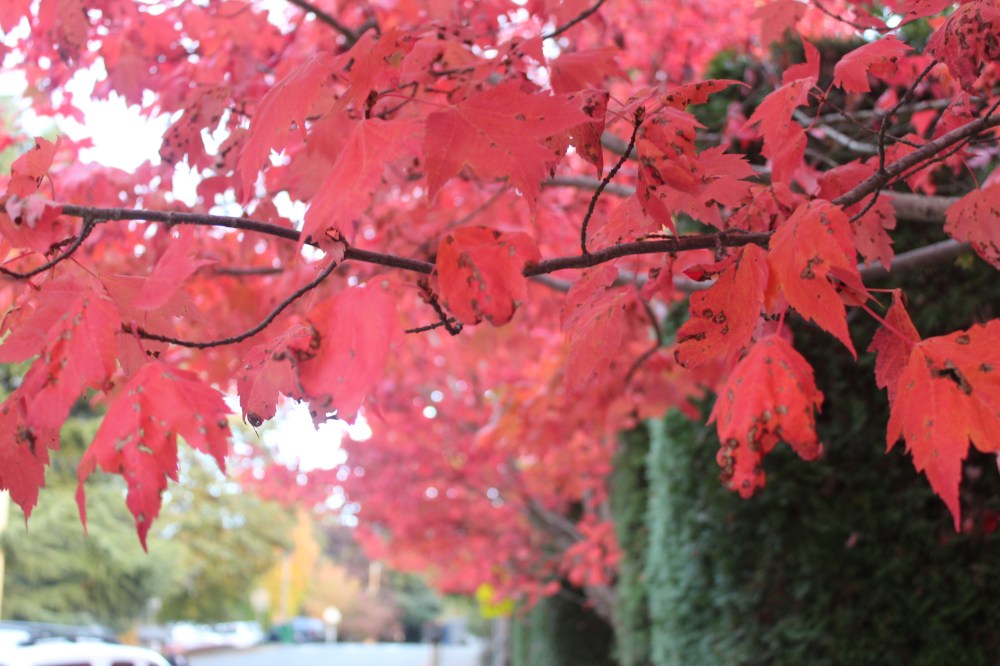
First, just a few leaves here and there would catch my eye.
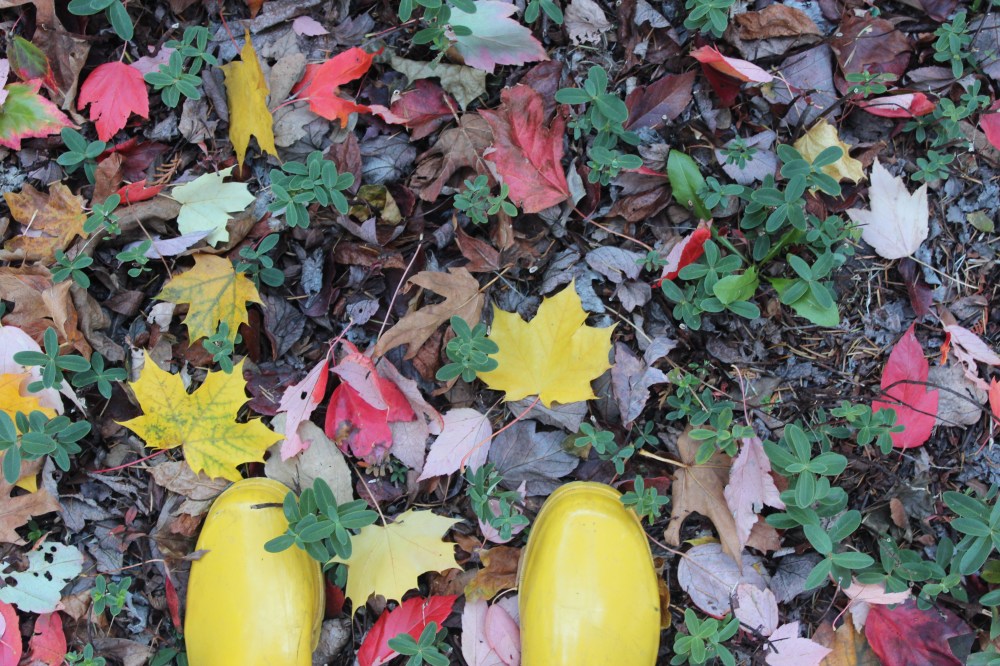
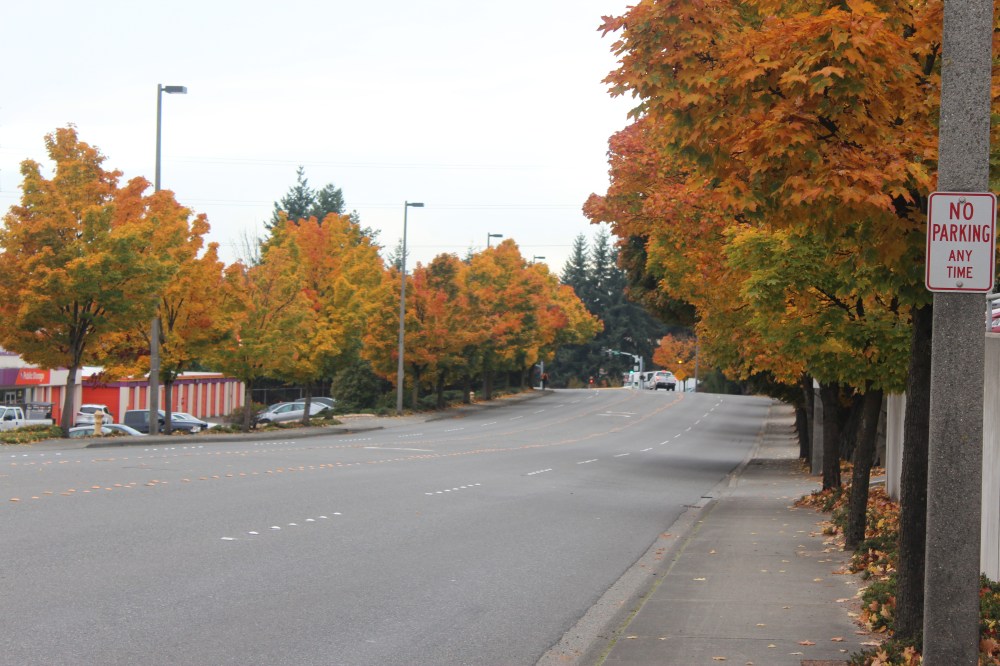
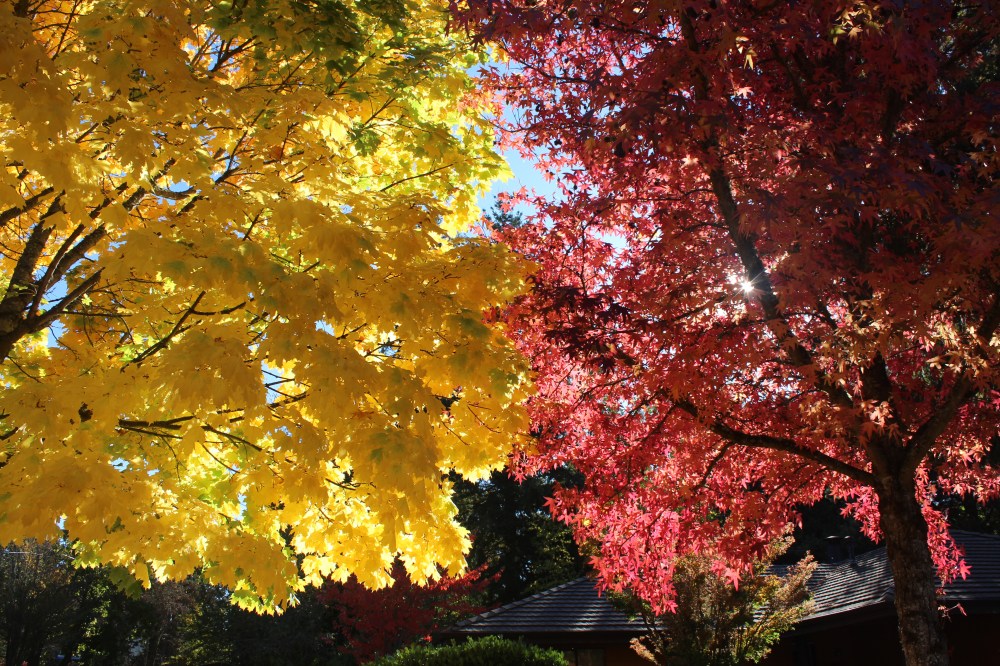
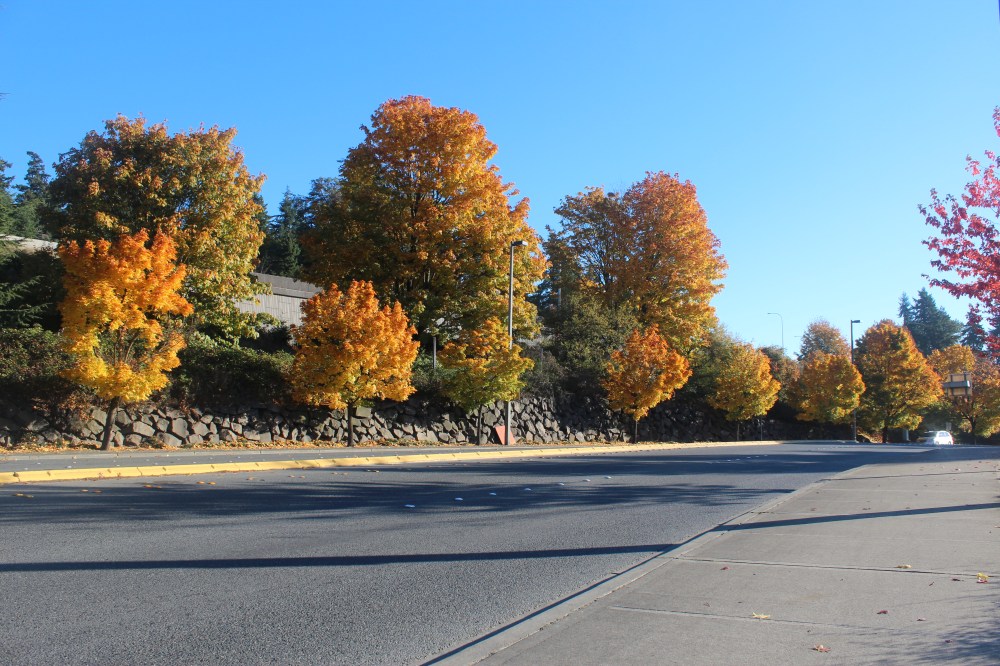
Then, little by little, trees everywhere began to transform. Brilliant reds and precious gold. Deep burgundy and vibrant orange. I had never before realized the beauty in this cycle: the sense of magical wonder this time of year brought with just a snippet in time of nature’s gloriously inspiring colors.

I could no longer leave the house without a camera. Every turn promised a scene more scintillating than the last. Everywhere I went, I was distracted. I couldn’t help but stare at these magnificent trees. I felt like I was eleven years old again, walking out of the store in my first pair of glasses, as mesmerized now as I had been then by the details that had somehow eluded me before.

I still haven’t been to the northeast in the fall. At eleven, my vision was corrected with medical practice, engineering, and design. This time, my vision hadn’t changed at all. The only thing that changed was my perspective.
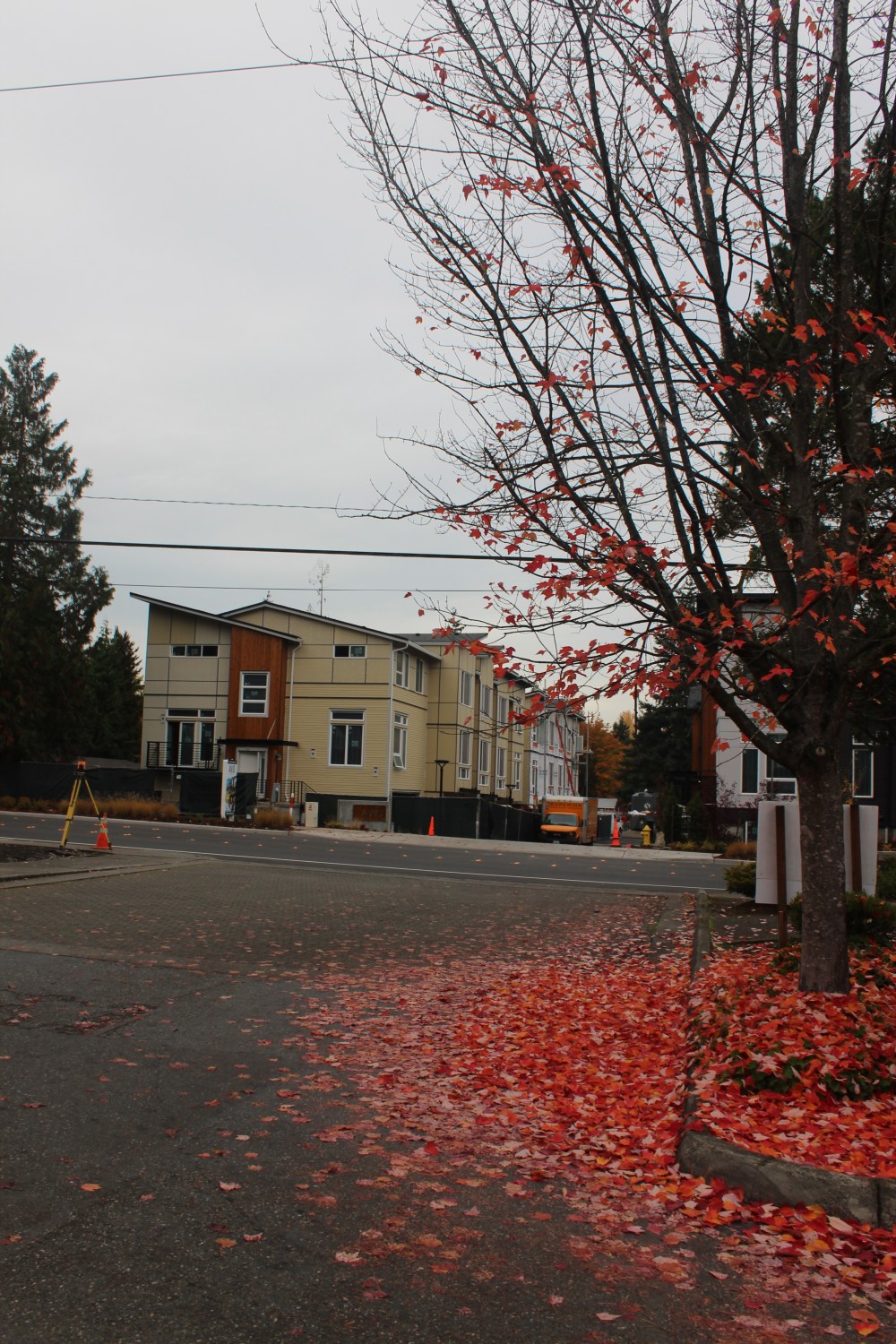
As we enter December, the leaves have all fallen. The worst of the seasons approaches. Now I know, as my first winter in seven years with freezing temperatures draws near –
I’ve got this.
 Draft Wanderer
One Comment Add yours